
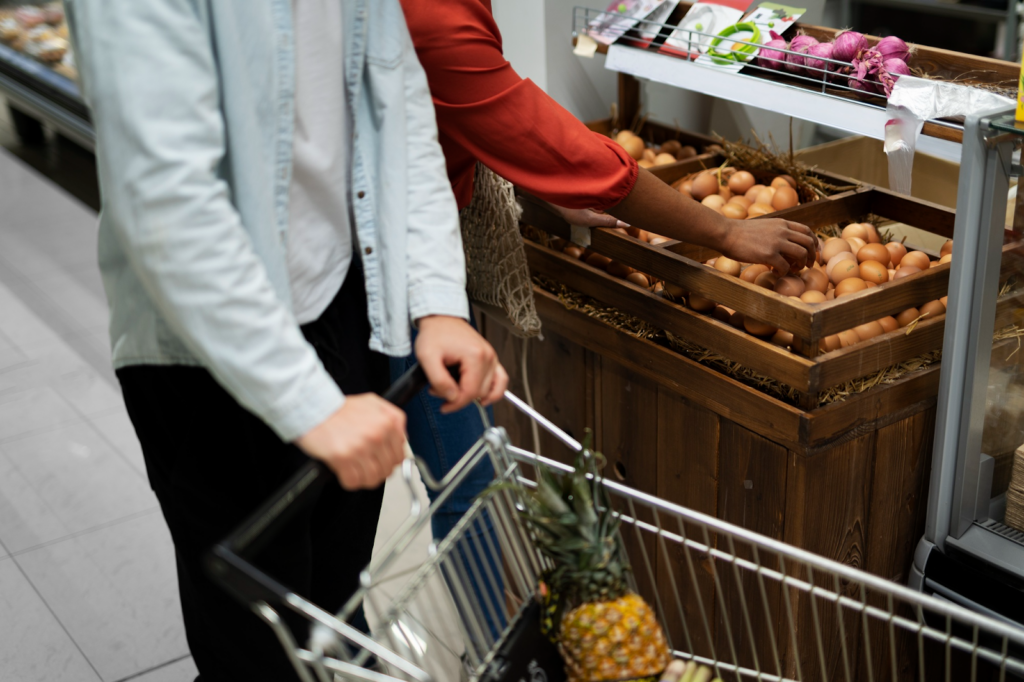
In today’s multicultural world, grocery shopping is about more than just convenience. For many households, it’s a way to stay connected to culture, tradition, and comfort. Whether it’s a familiar type of bread, a specific kind of sausage, or the right herbs for a family recipe, international foods have become essential to how people shop and cook.
That’s why local stores are expanding their global selections, and online grocery services are playing a growing role in helping families access the ingredients they trust and love.
Meeting the Needs of International Shoppers
Traditional cooking often starts with the right ingredients. Many people who enjoy Eastern European food often wonder: “Where can I find a good russian grocery store near me that actually has what I need?”. The answer now often lies in platforms that connect shoppers with trusted international products. NetCost is one such option, offering a wide range of authentic groceries with easy online access.
Shoppers who choose international stores usually expect:
- a wide range of traditional products;
- clearly labeled ingredients and countries of origin;
- fresh bakery, deli, and dairy sections;
- convenient delivery or in-store pickup options;
- seasonal items for cultural holidays and traditions.
Shops that meet these expectations often become a regular part of weekly shopping habits.
Demand for International Food Is Growing
The popularity of global food products is on the rise. As more people explore different cuisines or return to their cultural roots, grocery preferences are shifting. Families are looking for quality, familiarity, and authenticity — not just availability. According to market researches, the U.S. ethnic food market is projected to reach $13.42 billion by 2030, growing steadily each year at around 7.6%. This reflects a long-term trend of rising interest in global flavors and culturally diverse grocery products.
These trends explain why more people are turning to specialized services that offer something beyond the standard supermarket aisle.
The Role of Online Grocery Platforms
Digital access has become essential for families who don’t live near specialty stores. It also offers added convenience for busy households who value time and efficiency. Online grocery platforms make it easier to plan, search, and reorder products that reflect each family’s unique background.
Among the key benefits are:
- quick reordering of household staples;
- category filters by origin or brand;
- shorter shopping time with no in-store wait;
- dependable access to products that feel familiar.
NetCost market combines this digital convenience with a strong focus on quality, making it easier to shop for trusted groceries from home.
Conclusion
For many, food shopping is a personal experience, tied to memory, identity, and comfort. International products are no longer a niche category. They reflect how people eat, cook, and stay connected to who they are.
Whether through local delivery or an online store, finding the right products makes a difference. And for countless families worldwide, those products come from stores that cater to traditional food preferences and cultural needs. By supporting access to authentic food traditions, international grocery services continue to shape everyday life and preserve cultural roots in a globalized world.