
Between work deadlines, family obligations, and everything else competing for your attention, finding time for thorough housekeeping can feel genuinely out of reach. Yet a persistently cluttered or dirty home takes a quiet toll—on mental well-being, on physical health, and often on your mood in ways that are easy to underestimate. The encouraging truth is that keeping a home clean doesn’t require hours of exhausting labor; it requires a smarter approach. Modern solutions, including technologies like a robot vacuum, can support a broader cleaning strategy, but the most powerful tool any household has at its disposal is intentional planning.
Understanding Your Home’s Cleaning Needs
Not every room deserves equal attention. High-traffic zones—kitchens, bathrooms, and entryways—accumulate grime far faster than a spare bedroom or a rarely used home office. Start by mapping your household’s actual patterns. Families with young children or pets face different priorities than single professionals, and those differences matter. Pinpointing which surfaces get touched constantly (door handles, countertops, faucet knobs) versus which areas can wait allows you to concentrate effort where it genuinely counts, rather than cleaning everything with the same intensity regardless of need.
The Foundation: Decluttering and Organization Systems
Professional organizers consistently return to one core principle: decluttering must come before cleaning. Surfaces crowded with objects are harder to wipe down and easier to avoid altogether. Establishing a designated home for everyday items—mail, shoes, bags, remote controls—dramatically cuts the time spent tidying before actual cleaning can begin. There’s a psychological dimension here, too. Research in environmental psychology suggests that organized spaces reduce cognitive load, making it easier to stick with routines consistently over time, even on days when motivation is running low.
Creating a Sustainable Cleaning Schedule
The most effective cleaning systems spread effort across time rather than concentrating it into one grueling weekend session. Consistency outperforms intensity, almost without exception.
| Frequency | Example Tasks |
|---|---|
| Daily (5–10 min) | Wipe kitchen counters, load/unload dishwasher, quick bathroom wipe-down |
| Weekly | Vacuum floors, mop hard surfaces, clean toilet and sink thoroughly, change bed linens |
| Monthly | Deep-clean appliances, dust ceiling fans and baseboards, organize storage areas |
The key is adapting this framework to your household’s specific rhythms rather than forcing yourself to follow a rigid external standard. A schedule that fits your life is one you’ll actually maintain.
Efficient Cleaning Techniques and Methods
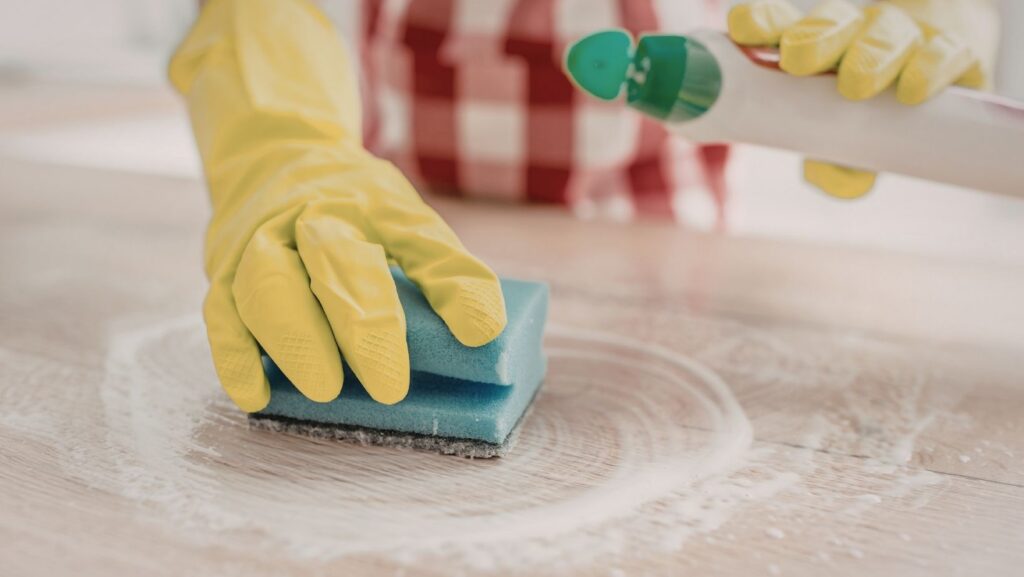
Professional cleaners rely on a top-to-bottom, room-by-room methodology for a straightforward reason: dust and debris fall downward, so tackling ceilings and shelves before floors prevents you from redoing work you’ve already done. Another underrated habit is giving cleaning products time to do their job—spray a surface, move on to something else, then come back to wipe. It saves both time and scrubbing effort. Choosing the right tools for specific surfaces matters more than most people realize, too; microfiber cloths on glass and soft brushes on grout reduce the physical effort needed to get genuinely good results.
Leveraging Technology and Tools Strategically
Automated cleaning devices can meaningfully reduce time investment when matched thoughtfully to a household’s actual needs. Robotic floor cleaners, for instance, handle routine maintenance on hard floors and low-pile carpets, freeing up time for tasks that require human judgment. That said, technology supplements intentional planning—it doesn’t replace it. Before investing in any cleaning device, take stock of your floor types, home layout, and whether the upkeep the device requires (emptying bins, cleaning brushes) fits realistically into your existing routine.
Involving Household Members and Building Accountability
Shared responsibility is one of the most underutilized efficiency strategies available to any household. Age-appropriate tasks for children—wiping surfaces, sorting laundry, tidying common areas—build lasting habits while distributing the workload more fairly. Clear expectations and simple tracking systems, even something as basic as a checklist on the fridge, help maintain consistency without turning cleaning into a source of household conflict.
Addressing Common Obstacles and Maintaining Motivation
Most cleaning routines fail not from lack of effort but from unrealistic expectations. Perfectionism has a way of leading directly to procrastination: when the standard feels unachievable, starting feels pointless, so nothing gets done at all.
Key Takeaway: Sustainable cleaning is about progress, not perfection. A home that is consistently good enough is healthier and more comfortable than one that swings between immaculate and overwhelming.
Building habits through environmental design—keeping supplies accessible, using visual cues as reminders—makes it easier to get started on low-motivation days, which are, realistically, the days that matter most.
A Sustainable Path Forward
Effective home maintenance draws on several elements working together: strategic scheduling, appropriate tools, sound technique, and shared household participation. The goal isn’t a perpetually spotless environment but a consistent baseline of cleanliness that supports health and comfort without consuming a disproportionate amount of time or energy. Pick one or two changes from this framework that fit your current circumstances, put them into practice steadily, and build from there. When cleaning becomes a manageable background system rather than a recurring crisis, it quietly creates space—physical and mental—for everything that actually matters most.