
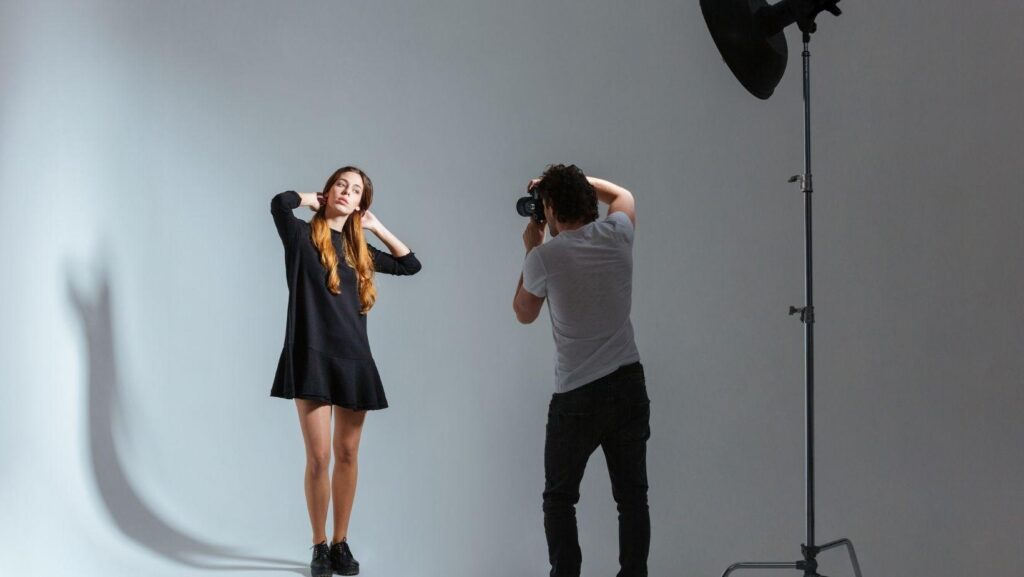
Feeling awkward in front of a camera is normal. Painfully normal, actually. Most people do not spend their regular Tuesday knowing what to do with their hands, chin, shoulders, or face while someone points a lens at them. The good news is that awkwardness usually comes from uncertainty, not from being “bad” on camera. A little preparation changes the whole experience. It helps you walk in with a plan instead of silently panicking through every click. This matters even more for commercial headshots, where one photo may sit on your website, LinkedIn, or press materials for 2-5 years.
Plan Your Outfit in Advance
Start with clothes because they can either calm you down or betray you immediately.
Choose something simple, comfortable, and close to how you actually want to be seen. If you run a law firm, you probably do not need a neon patterned shirt having its own separate career in the photo. If you run a creative studio, you still want the outfit to support your face, not fight it for attention.
Try everything on at least 2-3 days before the shoot. Stand. Sit. Turn sideways. Raise your arms a little. If the shirt pulls, the jacket bunches, or the dress needs constant adjusting, skip it. During the shoot, every tiny clothing annoyance becomes louder.
Solid colors usually photograph better than busy patterns. Thin stripes can create weird visual distortion on camera, especially under studio lights or on screens. Neutral tones, deeper colors, and soft earth shades tend to work well because they keep attention where it belongs: on you.
Bring one backup option if you can. Not five. Five outfits turns preparation into a suitcase-based identity crisis. One clean backup is enough.
Get Comfortable With the Idea of Being Photographed
You do not need to become a model before the shoot. Please don’t assign yourself that homework. You only need to make the idea of being photographed feel less strange.
Spend five minutes in front of a mirror a day or two before the session. Notice what happens when you stand tall, relax your shoulders, or turn your body slightly instead of facing straight forward. Practice a normal smile, then let your face rest. Most people discover that their “photo smile” is far more intense than their real one. A little less effort often looks better.
You can also use your phone for a quick check. Take 10-15 test photos in natural light. You are not looking for masterpieces. You are learning what feels comfortable. Which side do you naturally turn toward? Do you tense your jaw? Do your shoulders creep up like you just opened a scary email?
That tiny bit of awareness helps. It gives you something to recognize during the shoot instead of feeling like your body has become rented furniture.
Understand What to Expect During the Shoot
A good photoshoot is guided. You are not supposed to walk in knowing how to pose.
This is the part many people get wrong. They think the photographer expects them to perform. Usually, the photographer expects to direct. That means they will help with angle, posture, expression, hands, and where to look. You may hear things like, “Turn slightly,” “Drop your shoulder,” “Lean forward a little,” or “Look just past the camera.”
That is normal. It does not mean you are doing badly. It means the photographer is shaping the image.
So, if you feel awkward at the beginning, congratulations. You are having the standard human experience.
Focus on Movement Instead of Posing
Stiffness is the enemy. Movement helps.
You do not need dramatic movement. Nobody is asking you to perform a music video. Small shifts are enough. Change your weight from one foot to the other. Turn your shoulders slightly. Adjust your hands. Look away for a second, then back. Walk a few steps. Sit, lean, reset.
Movement gives the photo life because your body stops locking up. It also gives the photographer more natural frames to catch between the “official” poses. Often, the best image happens right after someone laughs, exhales, or stops trying so hard.
Hands are usually where awkwardness goes to live. If you do not know what to do with them, use simple actions. Hold a jacket edge. Rest one hand in a pocket. Touch a chair lightly. Fold your hands loosely. For business photos, the goal is calm and natural, not “catalog model who has recently discovered sleeves.”
Relaxed posture also matters. Stand tall, but don’t freeze. Think lifted through the chest, soft through the shoulders. That combination usually photographs better than rigid “perfect posture.”
Don’t Aim for Perfection
Trying to look perfect is the fastest way to look uncomfortable.
Real confidence on camera comes from looking present, not flawless. A small laugh, a relaxed expression, or a slightly imperfect moment can feel more trustworthy than a technically perfect photo where your face looks like it is buffering.
This is especially true for business owners. People are not only judging polish. They are also reading approachability. If the photo feels too stiff, it can create distance. If it feels too casual, it may weaken trust. The sweet spot is professional but human.
That is why preparation matters. It does not remove every nerve. It gives your nerves somewhere to land. You know what you are wearing. You know the photographer will guide you. You know you do not have to invent poses. You know the first few minutes may feel odd and still lead to good photos.
Final Thoughts
The best photoshoot preparation is simple: choose clothes that feel right, get familiar with your face and posture, understand the process, and stop expecting yourself to perform perfectly. Awkwardness usually shrinks once you know what is coming.
You do not need posing experience. You do not need a brand-new personality. You need a bit of planning, clear direction, and enough patience to let the first few stiff minutes pass. After that, the camera becomes less intimidating. Still a little rude, maybe. But manageable.
FAQ
How to Prepare for a Photoshoot?
Plan your outfit 2-3 days ahead, sleep as well as you can, drink water, and arrive with enough time to settle in. The best photoshoot preparation tips are simple, but they prevent rushed decisions.
What to Wear?
Wear clean, comfortable clothing in solid colors or subtle textures. Avoid loud patterns, shiny fabrics, and anything you keep adjusting. Your outfit should support your face, not steal the whole photo.
How to Not Feel Awkward?
Accept that the first few minutes may feel strange. Focus on breathing, small movements, and following direction. If you’re wondering how to feel comfortable in front of camera, start by letting yourself warm up.
Do I Need Posing Experience?
No. A good photographer will guide your posture, hands, expression, and angles. You do not need to know posing. You only need to listen, move slowly, and stay open to small adjustments.
How Long Does a Shoot Take?
Most headshot or branding shoots take 30-90 minutes. A quick session may be shorter, while multiple outfits, backgrounds, or commercial uses can take longer.