
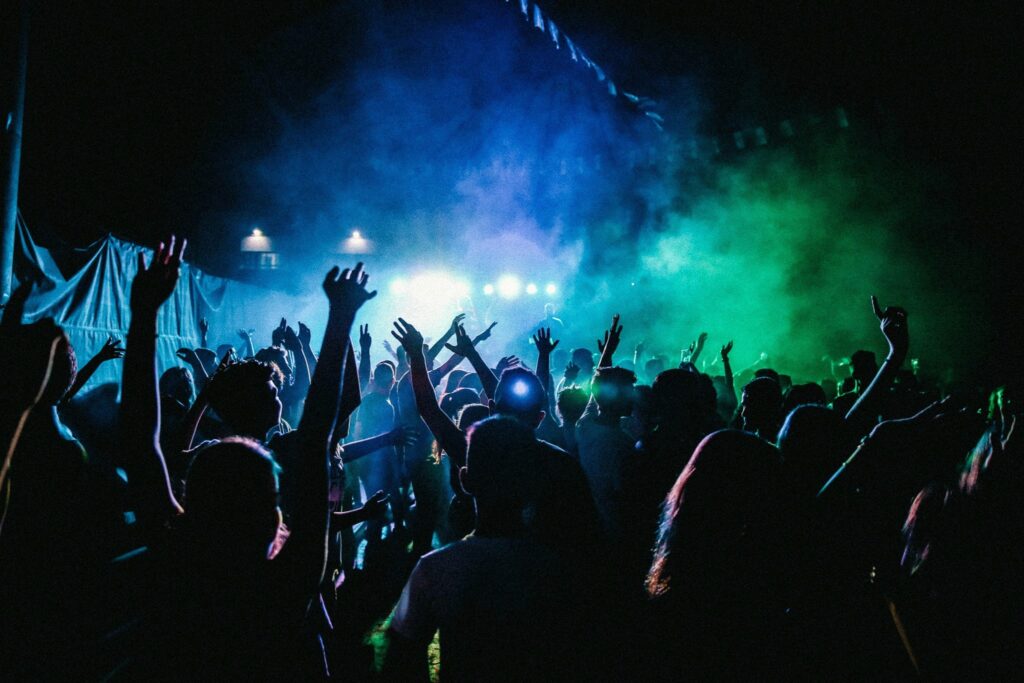
Large events usually end up needing more equipment than expected once the planning starts coming together properly. Weddings, charity fundraisers, and corporate functions often involve much larger setups than people first imagine, especially when guest numbers increase or venues need additional staging, lighting, or sound support.
Many planners assume buying equipment will save money, especially for events where everything needs to look polished. Large events often require far more equipment than most people realistically want to own once the event is over, particularly when professional event setups are expected as part of the experience.
Purchasing Adds Up Fast
Party rentals and event rentals often end up making more financial sense once the full costs become clear. Buying enough tables and chairs for a large function can already become expensive before transport is even considered. Then there is storage afterward, which catches many people off guard once tents, staging, speakers, lighting and other event equipment start taking up space in garages, offices, or spare rooms.
Larger party equipment like tents, staging, sound systems and lighting rigs also take up far more room than most people expect once everything gets packed away after the event.
Many planners buy equipment thinking they will reuse it later, though much of it barely gets touched again after the event finishes. The same thing happens with sound systems, microphones, dance floors and larger staging pieces that only really make sense for occasional use.
Costs People Forget About
- storage space
- transport vehicles
- set up labour
- replacement cables
- damaged chairs or tables
- extra lighting or generators
Transport creates another layer of cost and stress. Moving heavy tables, chairs, or AV equipment around is difficult without the right vehicle and enough help during setup. Things also go wrong more often than expected once equipment starts moving between venues. Cables disappear, speakers stop working properly and damaged equipment still needs replacing whether it gets used once or ten times.
First-time planners also underestimate how long setup actually takes. Arranging seating for a large guest list or setting up staging and lighting can take hours longer than expected, especially when several deliveries are arriving at different times.
Renting Makes Things Easier
For many weddings, fundraisers and business events, renting event equipment instead of purchasing removes unnecessary pressure during the planning process.
Guest numbers change constantly while events are being organized. Someone planning seating for 80 guests can suddenly end up needing room for 120 once final confirmations arrive. Renting makes those changes easier because extra tables, chairs, tents, or lighting can usually be added without rebuilding the entire budget.
Large events also usually need more equipment than people expect at first:
- tents
- staging
- sound systems
- dance floors
- lighting
- extra seating
Trying to source all of that separately from different suppliers can become exhausting very quickly.
Working with one rental provider also makes large events easier to manage. Instead of organizing tables from one company, sound equipment from another and tents from somewhere else entirely, planners can keep everything moving through one point of contact. That usually reduces delivery problems, timing issues and last-minute confusion once setup starts.
Delivery and collection also help more than many planners realize at first. The final few days before a large event are already stressful enough without needing to spend hours moving heavy equipment across town at the same time.
Rentals also make it easier to match equipment to the venue itself. Outdoor events may need larger tents, extra generators, or stronger sound systems, while indoor venues often require different layouts and lighting setups.
Bad Setups Stand Out
Guests usually notice event problems immediately, especially when sound, lighting, or seating layouts are not working properly. Weak speakers during speeches can change the atmosphere of an entire room. Poor lighting affects photos, while cramped layouts make venues feel uncomfortable once guests start moving around.
Professional event setups help avoid many of those problems before guests arrive. Experienced crews usually understand spacing, power access, setup timing and how equipment needs to work inside different venues. Guests notice sound problems immediately. AV and sound equipment can become particularly stressful without experience. One missing cable or badly placed speaker can suddenly create problems minutes before an event starts.
Setup timing catches people out too because staging, lighting and sound equipment nearly always take longer to organize than expected. Weather creates problems as well, especially for outdoor weddings or charity events where wind, rain and uneven ground can affect tents, staging, lighting and power equipment very quickly.
Why More Planners Rent
More planners now choose rentals because owning equipment creates extra work long after the event finishes. Tables still need storage, damaged items still need replacing and transport still needs organizing every time something gets used again later. Once the equipment list starts growing, most planners realize pretty quickly why rentals have become the easier option for larger events.