
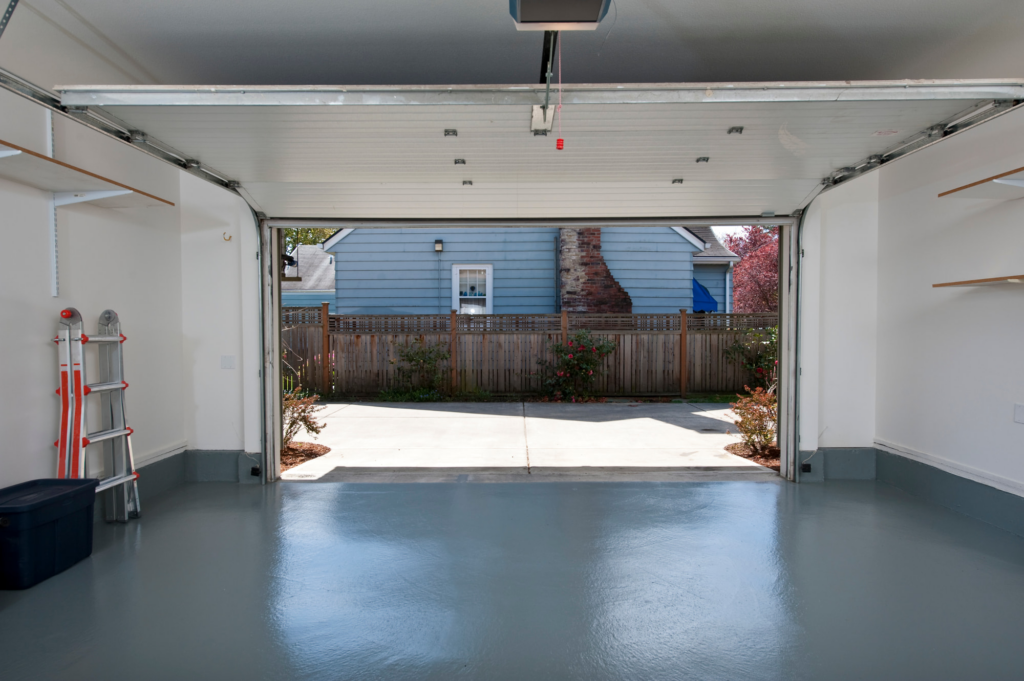
A new garage can completely change how your property functions. It adds storage, boosts value, and gives you a flexible space for projects, vehicles, or hobbies. But rushing into the purchase without a clear plan can lead to regrets later. From the right materials to layout and maintenance, every detail matters when designing your ideal setup. Knowing what to plan for early helps you make smart, lasting choices.
When considering a metal garage, it’s worth understanding what makes these structures so reliable. They stand strong against weather, pests, and daily wear, giving you decades of use with little upkeep. Still, choosing the right design, features, and size requires thought. Let’s go through the key things to remember before you invest in your new space.
Choose the Right Size and Layout
Size is one of the first factors that define your garage’s usefulness. Think beyond current needs and plan for future storage or vehicles. Measure the space carefully to ensure doors, shelves, and tools all fit comfortably.
Here’s a quick guide to help:
● Single-car garages: Great for compact vehicles or small workshops.
● Two-car garages: Offer room for vehicles and limited storage.
● Oversized garages: Perfect for homeowners who want workspace or extra storage.
Evaluate Material and Durability
The material you choose affects both strength and lifespan. A metal garage provides long-lasting protection, making it a popular choice among property owners. Unlike wood, it doesn’t rot, warp, or invite pests.
Steel also resists fire, corrosion, and heavy snow, which makes it ideal for changing weather. To extend its life further, look for galvanized coatings or rust-resistant finishes. Investing in quality materials upfront helps you save on future repairs and keeps your structure looking new for years.
Consider Foundation and Site Preparation
Even the best garage needs a solid base to stay stable. Poor foundations lead to uneven floors, door misalignment, and moisture issues. Before construction, inspect your property for proper drainage and soil conditions.
Follow these simple steps:
- Level the ground where the garage will sit.
- Add gravel or concrete to prevent water pooling.
- Ensure enough slope for proper runoff.
Focus on Accessibility and Function
Your garage should make daily tasks easier. Plan entry points, door width, and interior layout for both comfort and efficiency. If you use it as a workshop, add enough lighting and outlets for tools.
Accessibility tips:
● Install wide doors for easy vehicle entry.
● Include pedestrian doors for quick access.
● Use windows or skylights to bring in natural light.
Plan for Maintenance and Upkeep
Even durable garages need occasional care to stay in shape. Metal structures require minimal maintenance, but regular checks prevent long-term wear. A consistent inspection routine helps you catch small issues early before they turn into costly repairs.
Keep this checklist handy:
● Inspect for rust or scratches twice a year.
● Clean gutters and remove debris from the roof.
● Reseal joints or screws if they loosen over time.
Building a new garage is a valuable investment in both convenience and property value. Taking time to plan layout, materials, and maintenance ensures you get the most from your space. A well-designed metal utility garage offers unmatched durability, easy customization, and year-round protection. With careful preparation, you’ll create a space that works perfectly for storage, projects, or anything else your lifestyle demands.