
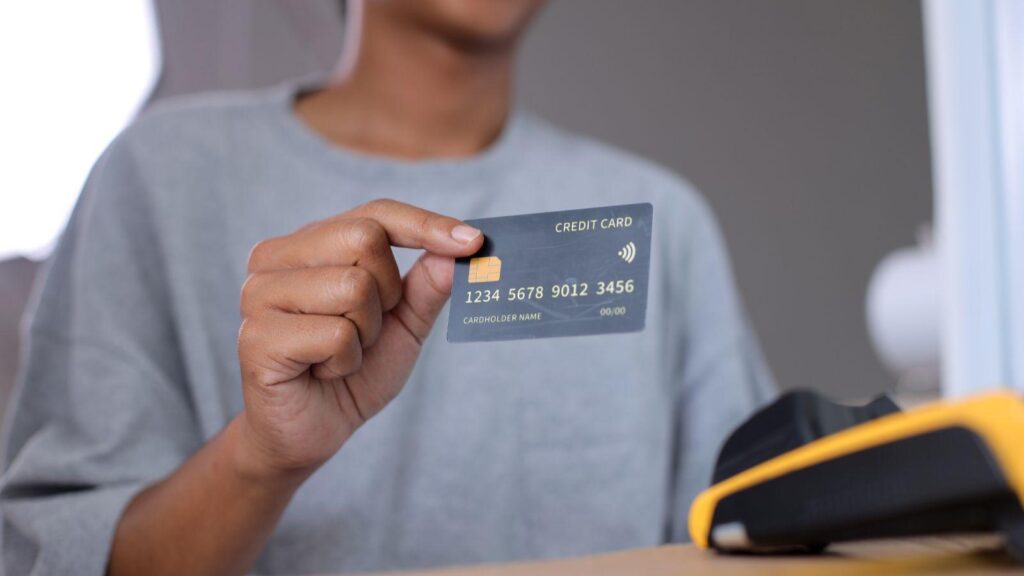
Compared to a few years ago, managing money is now considerably simpler. Many consumers now keep track of their expenditures using cards, mobile wallets, and banking apps rather than carrying cash or writing down every purchase. Digital payments speed up and simplify transactions, whether they are made for groceries, clothing, or an online casino site. These transactions also leave a transparent record, which makes it simpler to track the monthly expenditures.
Because it eliminates a lot of uncertainty from personal finance, cashless budgeting has grown in popularity. In a matter of seconds, each payment shows up in a financial dashboard or banking app. Users may review everything in one location rather than gathering receipts or attempting to recall minor purchases. They are able to make better financial judgments as a result of having a better understanding of their spending patterns.
Budgeting features are now integrated into a lot of banking apps. Transactions can be automatically categorized into food, transportation, entertainment, and retail. In addition to saving time, this enables people to identify trends that they might otherwise overlook. A person may be shocked to learn how much they spend each month on subscription services or takeout. Spending adjustments are frequently a lot simpler once these behaviors become apparent.
Convenience is another factor contributing to the rise of cashless budgeting. Large sums of cash are becoming less typical, particularly in places where contactless transactions are nearly universally accepted. People frequently only require a phone or debit card. Payments only take a few seconds, which speeds up regular shopping and automatically updates financial records.
Setting spending limitations is also made simpler by digital payments. Users of a lot of banking apps can make monthly budgets for several categories. Some even notify users when their expenditure gets close to a predetermined threshold. These prompts can aid in stopping pointless purchases before they occur. People can make changes as they go rather than merely checking their accounts at the end of the month.
Additionally, budgeting is now more predictable thanks to automatic payments. It is possible to plan ahead for rent, utility bills, insurance, and subscriptions. There is less possibility of forgetting a deadline or incurring a late fee because these costs are paid automatically. It’s considerably easier to arrange the remainder of the month’s expenditures when you know precisely when recurring payments leave an account.
Better saving practices can also be promoted by cashless budgeting. These days, a lot of banks include features that allow customers to round purchases to the closest whole amount and deposit the difference into a savings account. Even while each transfer might be modest, these sums can accumulate over time with little effort. Instead of being something that needs ongoing planning, saving becomes a regular aspect of spending.
Another thing that draws individuals to digital payments is security. To assist safeguard client accounts, contemporary banking systems employ fraud monitoring, identity verification, and encryption. A mobile app can typically be used to instantly freeze a missing card. On the other hand, it is frequently impossible to recover actual currency that is lost.
Cashless budgeting does, of course, call for some self-control. Some consumers might spend more than they meant since using a card or phone to make payments feels so simple. Reviewing account activity on a regular basis is still crucial because of this. Users can maintain control while taking advantage of the ease of digital payments by setting personal limits and regularly reviewing balances.
New methods of handling personal finances are constantly being introduced by technology. Tools that were previously only accessible through meticulous bookkeeping are now offered by budgeting apps, digital wallets, and online banking systems. Without making daily tasks more difficult, they assist consumers in keeping an eye on their spending, planning their expenses, and developing better financial habits.
Cashless budgeting is expected to increase in popularity as more companies and services take digital payments. It provides structure, ease of use, and more insight into daily expenditures. For many, moving away from cash involves more than just making other payments. It is about improving their financial knowledge and long-term financial decision-making.