
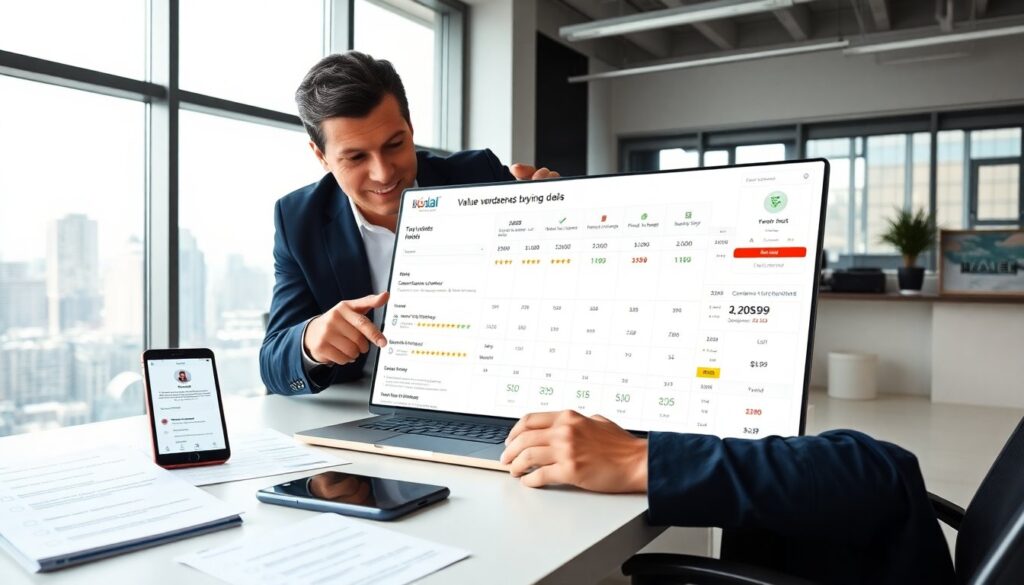
Value vendors koala buying deals ratings thriftyeventsrv help buyers find lower costs on event supplies. The guide explains how they list deals, how ratings work, and how a buyer checks offers. It gives clear steps for quick decisions. The reader will learn simple checks to avoid common problems and to lock in real savings.
Key Takeaways
- Start evaluating value vendors by reviewing their profile details, policies, and customer service responsiveness to quickly spot reliable sellers.
- Koala buying deals typically include product, warranty, and delivery, so always verify included parts, fees, and total cost before committing.
- Use rating trends and recent detailed reviews to assess vendor reliability, while being wary of fake or overly vague ratings.
- Cross-check reviews across multiple platforms and user sources, and watch for consistent, detailed feedback to verify authenticity.
- Leverage ThriftyEventSRV to compare vendors and deals, filter by total cost, and monitor deal history to identify genuine savings.
- Shop strategically during off-peak times, negotiate bundled discounts, and follow a purchase checklist to confirm all terms and protect your investment.
How To Evaluate Value Vendors Quickly
Start with the vendor profile. It shows years in business, location, and basic policies. The buyer scans refund policy, shipping windows, and warranty terms. The buyer checks whether the vendor lists real photos and serial numbers. The buyer notes price history and past sale cadence. The buyer tests customer service by sending a short question. A prompt, clear answer signals reliable service. The buyer compares identical items across vendors to spot outliers. The buyer flags sellers with many short, vague listings. The buyer gives more trust to sellers with steady ratings and consistent stock.
Decoding Koala Buying Deals: What’s Usually Included And What To Watch For
Koala buying deals often bundle a product, basic warranty, and delivery. The deal may add assembly or setup for a fee. The buyer reads the item list to confirm included parts and accessories. The buyer checks for restocking fees and return windows. The buyer checks whether discounts apply to limited stock or to refurbished items. The buyer favors deals that state exact condition and list inspection photos. The buyer avoids deals that hide shipping or handling costs until checkout. The buyer records the final total before purchase and compares it to standard retail prices.
Reading Ratings And Reviews To Separate Hype From Reality
Ratings give a quick sense of vendor reliability and deal value. The reader reads rating trends rather than single scores. The reader reads recent reviews to catch current problems. The reader looks for patterns in complaints and in praise. The reader balances five-star comments with three-star notes for a fuller view. The reader checks whether the vendor replies to negative reviews. The reader spots likely fake reviews when language is vague or repeated. The reader combines ratings with profile checks before deciding.
Rating Red Flags To Watch For
A sudden flood of five-star reviews can signal fake ratings. Many reviews with the same phrasing can signal copy-paste posts. Reviews with no detail about the product offer little value. Reviews that appear only on one platform may hide problems elsewhere. A vendor with many recent negative reviews and no replies shows a service issue. The buyer flags listings that reset ratings by creating new accounts or new listings. The buyer avoids any seller with unexplained rating drops.
How To Verify Reviews And Cross-Check Sources
The buyer checks reviews on multiple platforms. The buyer reads social posts and forum threads for real user notes. The buyer looks for photos that match the sold item. The buyer contacts reviewers when possible to ask brief questions. The buyer uses a search engine to look for vendor complaints or news. The buyer checks payment dispute records when those records exist. The buyer uses common sense: many detailed reviews that name dates and issues tend to be real.
Using ThriftyEventSRV To Compare Offers And Find Real Savings
ThriftyEventSRV lists vendors, deals, and ratings in one view. The buyer filters by price, condition, and distance. The buyer sorts results by total cost, not by headline price. The buyer saves preferred vendors and watches for price drops. The platform shows deal history for many items. The buyer uses that history to confirm a discount is real. The buyer uses the platform alerts for restocks on popular items. The buyer cross-checks ThriftyEventSRV results with direct vendor pages when major purchases appear.
Timing, Negotiation Tactics, And A Simple Purchase Checklist
Timing matters. The buyer shops during off-peak weekdays or after major events. The buyer waits for end-of-season or clearance windows when possible. The buyer prepares a short negotiation script and asks for bundled discounts. The buyer asks for price matching when the vendor shows recent lower prices. The buyer offers a quick payment method to secure a lower price. The buyer follows this checklist before purchase:
- Confirm final total, including shipping and fees.
- Confirm item condition and model number.
- Confirm return and warranty terms in writing.
- Record seller contact and transaction ID.
- Take photos on delivery and note any damage.
The buyer follows these steps to reduce risk and to secure clear value.