
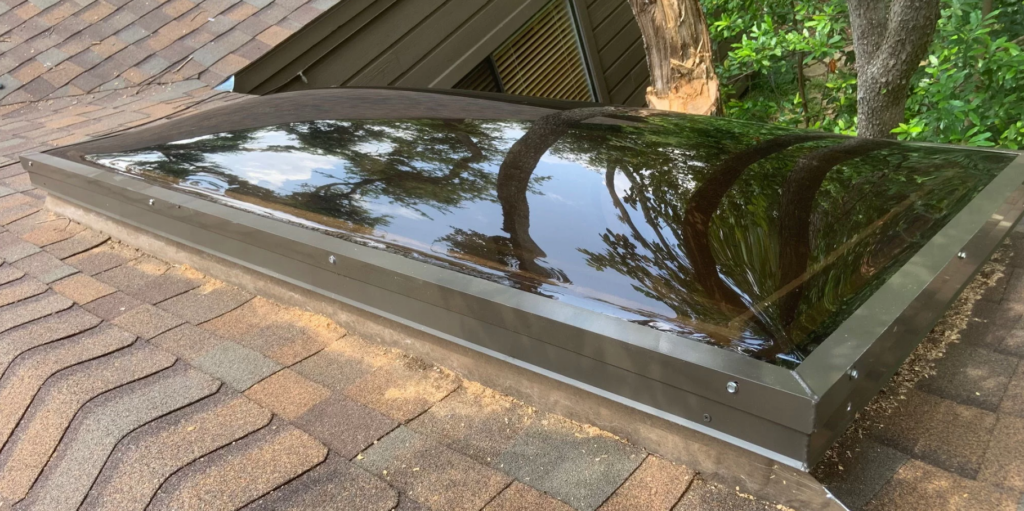
A skylight is one of those home features you absolutely love until you do not. There is nothing quite like natural sunlight streaming into a kitchen or a clear view of the stars from your bed. However, that beautiful glass portal is essentially a giant hole in your roof held together by seals and frames that face a brutal life. If you have been worried about drips lately, calling a roof repair sandy contractor is a smart move before the next big storm hits. These glass features are vulnerable to time and weather in ways most homeowners do not realize until the carpet is soaked.
The Slow Decay of Perimeter Seals
Most people assume that if a skylight leaks, the glass must be cracked. In reality, the frame is almost always the culprit. Skylight frames are usually made of aluminum, wood, or vinyl, and they rely on rubberized gaskets to stay watertight. Over a decade or two, the constant cycle of baking in the summer sun and freezing in the winter causes these materials to lose their flexibility.
When a seal becomes brittle, it develops tiny hairline fractures. Most likely you will not notice them during a light drizzle. But it’s the polar opposite in a heavy storm, which creates pressure. Wind-driven rain can push water upward and under these weakened seals. Once the water finds a path, it stays there. This moisture sits against the structural components of your roof, slowly rotting the wood around the opening long before you see a single drop hit your floor.
Aluminum Fatigue and Corner Seams
Metal frames are popular because they are durable. But that doesn’t mean they are invincible. Temperature shifts constantly, and with every change, aluminum expands and contracts significantly. Over twenty years, this constant movement puts an incredible amount of stress on the corner joints where the frame pieces meet.
In older models, these joints were often held together with basic fasteners and a bit of industrial sealant. As the frame ages, those joints can pull apart just a fraction of an inch. During a violent storm, the sheer volume of water flowing down the roof creates a literal river around the skylight. If those corner seams are even slightly compromised, they act like a funnel, drawing water directly into the drywall of your ceiling.
The Role of Clogged Weep Holes
High-quality skylights are actually designed with the assumption that a tiny bit of moisture might get inside the outer frame. To handle this, manufacturers include small channels called weep holes. These allow condensation or minor seepage to drain back out onto the shingles rather than into your home.
The problem with aging units is that these holes are magnets for debris. Over the years, the following are known to settle into the tracks:
- Pine needles
- Dust
- Shingle granules
- Fina gravel
- Tiny leaves
When a storm brings heavy rain, these clogged holes prevent the unit from draining. The water backs up inside the frame, eventually overflowing the internal lip and spilling into your attic space. It is a classic case of a safety feature failing due to age and lack of maintenance.
Flashing Failure and Physical Shifting
The flashing is the metal stripping that ties the skylight into the surrounding shingles. This is perhaps the most critical barrier against moisture. As a house settles over several decades, the roof deck can shift slightly. While the shingles are flexible, an aging, rigid skylight frame might not be.
This physical tension can cause the flashing to pull away from the frame or lift off the roof deck. Once there is a gap between the flashing and the skylight body, you have a wide-open door for moisture. During a storm, water does not just fall straight down. It swirls and splashes. Any gap in the flashing becomes an entry point for water to slide underneath the shingles, leading to massive leaks that look like they are coming from the skylight but are actually originating from the roof transition itself.
Final Word
Ignoring a stubborn leak around an old skylight is a recipe for expensive structural damage. If your frames are showing signs of wear or the seals look cracked and dry, it is time to have a professional look at the integration. Reaching out to a roof repair sandy contractor can help you determine if a simple resealing will do the job or if it is time to upgrade to a modern, energy-efficient model. Taking care of it now ensures that the next big storm stays outside where it belongs.