
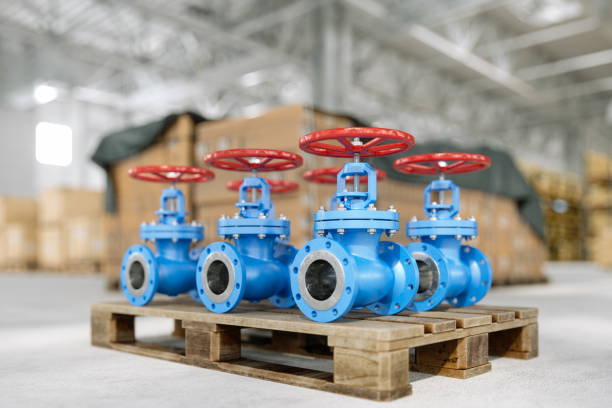
Have you ever opened a tap and thought about how water reaches your kitchen, bathroom, tank, or garden area?
In daily life, we use water so naturally that we rarely think about the parts working inside the piping system. One of the most important parts is the valve. A valve helps control water flow in a pipe. It can start the flow, stop the flow, or adjust the flow as per the need.
In simple words, a valve works like a control point. When a water line has the right valve in the right place, the full system becomes easy to use, easy to manage, and more comfortable for daily work.
What Is A Valve In A Water Supply System?
A valve is a pipe fitting that controls how water moves from one point to another. It is used in homes, apartments, offices, farms, gardens, and many other water systems.
Basic Use Of Valves
The basic use of a valve is to give control over water flow. You can understand it with a normal tap. When you turn the tap, water starts or stops. A valve works in a similar way inside a pipeline. Some valves are used for full open and closed action, while some are used to control the amount of water passing through the pipe.
Valves are useful in many places, such as near tanks, pumps, bathrooms, kitchens, garden lines, and main water connections. They help users manage water in a simple and planned way. For example, if one bathroom line needs work, the valve for that line can be closed while water can still be used in other areas.
Why Valves Are Important In Piping Systems
A piping system needs proper control so water can move smoothly to the right place. Valves make this control simple for users, plumbers, and maintenance teams.
Flow Control Made Simple
Valves help manage water flow as per the needs of each area. A kitchen may need regular flow, a garden line may need more flow, and a small wash area may need less flow. With the right valve, water use becomes more balanced and practical.
In many water lines, ball valves are used because they are simple to operate. They usually open and close with a quarter turn of the handle. When the handle is in line with the pipe, water passes through. When the handle is turned across the pipe, water stops. This easy action makes them a common choice in many plumbing systems.
Common Valve Types Used In Water Supply
Different valve types are used for different water line needs. The best choice depends on pipe size, water pressure, pipe material, and the use area.
Valves For Different Needs
Some valves are made for quick opening and closing. Some are made for adjusting flow. Some are used in small home lines, while others are used in bigger pipelines. This is why valve selection should be done with a clear purpose.
In simple PVC pipe systems, pvc ball valves are often used. They are light in weight and fit well in many basic water line setups. They are suitable for tank lines, garden pipes, and normal water distribution points. Many people like them because their working style is easy to understand and operate.
How A Butterfly Valve Works
Some piping systems need a valve that can manage flow in larger pipe sizes while using less space. This is where this valve type becomes useful.
Disc Movement In The Pipe
A butterfly valve has a round disc inside the pipe. When the disc turns, it controls the water flow. If the disc is turned in the open position, water passes through the pipe. If it is turned to reduce the opening, the flow can be adjusted.
This type of valve is often used in larger water supply lines, building systems, tank connections, and water treatment setups. Its compact design and simple movement make it useful for many water applications where regular flow control is needed.
Valve Placement In Water Lines
Good valve placement is just as important as choosing the right valve. A valve should be placed where it can be reached easily and used without trouble.
Main Line And Branch Line Control
A main line valve controls water entering the full system. This valve is usually placed near the main supply point. Branch line valves control water going to separate areas, such as the kitchen, bathroom, terrace tank, or garden.
This kind of setup is very practical. In a normal home, nobody wants to stop the full water supply for small plumbing work in one area. With branch valves, only one line can be closed. The rest of the water system can continue working. This is simple planning, but it makes daily life much easier.
How Valves Help In Daily Plumbing Work
Valves support daily plumbing use in a very practical way. They help during cleaning, repair, checking, and normal water control.
Easy Use For Home And Building Systems
In homes, valves are useful near water tanks, pumps, geysers, filters, and garden lines. In buildings, they help manage supplies to different floors and sections. Plumbers can also work faster when valves are placed properly because they can control water area by area.
Good valve planning also helps users feel more in control of their water system. When a person knows which valve controls which line, small work becomes easier to handle. It also helps during tank cleaning, pump checking, or fitting replacement.
Choosing The Right Valve
The right valve depends on the use of the pipe system. Pipe size, material, water pressure, and location should be considered before selection.
Simple Points To Remember
For home plumbing, the valve should be easy to use and easy to reach. For larger pipelines, the valve should match the pipe size and flow needs. For garden lines and tank lines, simple operation is usually preferred.
A valve should not be placed in a spot where it is hard to access. It is better to keep it at a comfortable height and in a clear area. This small planning step can make water control much easier in daily life.
Final Thoughts
Valves are small parts, but their role in water supply and piping systems is very important. They help start, stop, and control water flow cleanly and practically. From homes to larger buildings, valves make water systems easier to manage. When the right valve is selected and placed properly, daily water use becomes more comfortable, organized, and simple for everyone.