
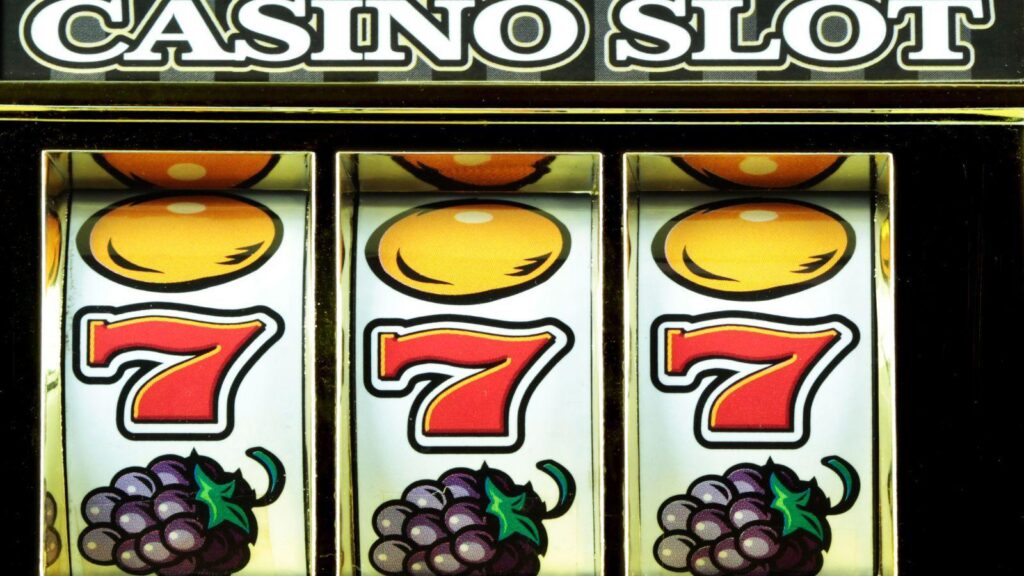
Split-screen slot machines use two visible play areas during the same spin. Each grid can have its own reels, symbols, paylines, ways to win, and modifiers. The screen sometimes gives the impression that a single bet powers two linked games, but the calculations depend on the title’s specific rules. The two grids can be completely independent, share certain elements, or form a single mechanism together.
At Spinmama Casino, players must check the displayed cost before spinning. A €1 bet might cover both grids together, but some games require an extra fee to activate the second zone. In other cases, each screen represents a separate hand with its own stake. The total amount displayed near the spin button remains the best reference for knowing the actual sum wagered.
The simplest model treats the two grids as two separate outcomes. The first grid stops and its combinations are evaluated, then the second grid undergoes the same process. The winnings from both rounds are then added together. If the left grid pays €8 and the right grid pays €5, the total gross result for the spin comes to €13.
Each grid may use the same paytable. Three matching symbols are then worth the same amount on the left as on the right, subject to any active multiplier. Another machine might assign different values to the two sides. The main grid could use standard payouts, while the second applies reduced amounts in exchange for more frequent Wilds or smaller reels.
Grid size also matters. A grid with five reels and three rows does not offer the same structure as a second screen made of three reels and three rows. The smaller screen might serve solely to generate a multiplier, collect symbols, or award free spins, meaning it does not always produce a direct payout.
Fixed-line games calculate payouts for each grid based on the active lines running through it. A payline does not automatically continue from one screen to the next. Three symbols on the left section and two matching symbols on the right section do not form a five-symbol combination unless the rules explicitly state a shared line connects both zones.
In a ways-to-win system, each grid usually counts its combinations separately. Symbols must appear on adjacent reels starting from the first reel of that specific grid. A combination starting on the last left reel will not continue onto the first right reel without a specific connection rule.
However, some machines treat the two grids as a single expanded structure. The screen may display two visually separated blocks even though the game engine considers them as ten reels, two sets of columns, or a tall grid split by a frame. In this case, the rules must specify the reading direction and the required positions for a win.
A split screen can also feature two versions of the same result. The left grid shows standard symbols, while the right grid displays a modified copy with Wilds, multipliers, or mystery symbols. Either both results pay out, or only the most favorable version is kept. You should not assume that every visible image automatically generates an additional payout.
Transferred symbols often connect the two sides. A Wild landed on the left may appear in the same position on the right grid. The game can copy, move, or transform the symbol. If the Wild is copied, it can contribute to a win on both grids. If it is moved, its original position may become empty or revert to the previous symbol.
The word “copy” warrants careful reading. A copied symbol can be added on top of the original, whereas a cloned symbol replaces the icon already present. The first scenario increases the total number of Wilds; the second merely changes the identity of an existing position.
Shared multipliers are another source of confusion. A 3x multiplier displayed between the two grids might apply to all wins on that spin, or it may only affect the side that triggered it. A third rule involves multiplying the combined winnings after they are added together.
Take two wins of €4 and €6. If the 3x applies to both grids, the total becomes 12 plus 18, or €30. If it only applies to the right grid, the result reaches 4 plus 18, or €22. If the wins are added first and then multiplied, the result still equals €30. These calculations seem similar, but they diverge as soon as multiple distinct multipliers appear.
Now assume a 2x multiplier on the left and a 3x on the right. Each side can be processed separately. A €5 win on each grid then yields €10 on the left and €15 on the right, for a total of €25. If the multipliers combine and apply to the whole spin, the calculation could become 5 plus 5, then multiplied by 6x, yielding €60. Such a system must be clearly announced, as it creates a major difference.
Cascades can operate independently. The left grid can form a win, clear its symbols, and drop new ones while the right grid remains stationary. Another machine might wait until both sides finish their evaluation before launching the next cascade.
In a synchronized system, any win on one grid can trigger a fresh drop on both. The second grid then gets another chance even if it paid nothing. This mechanism does not mean the outcomes are identical; each zone can continue using its own selection of symbols.
Free spins sometimes add a progressive link between screens. One grid might start with a high multiplier while the other contains more Wilds. A special symbol could swap their properties after each spin. The payout calculation must then follow the exact state of each screen at the moment it stops.
Scatters can be counted separately or together. Three Scatters on a single grid might trigger the bonus. Another rule might require a total of four symbols split across both screens. Two Scatters on the left and two on the right would then suffice, even if neither side hits the usual threshold on its own.
Collection symbols work similarly. A coin might appear on each grid, and then a central collector sums all values. If the coins show 2x, 5x, and 10x, their total reaches 17x. A central multiplier could then apply to this sum. Standard line wins sometimes remain separate from this collection feature.
A jackpot might depend on a single grid. The left side could handle standard combinations while the right features a Hold and Win bonus. Filled positions on the second screen do not necessarily add paylines to the first; they serve to fulfill a specific condition, such as filling all spots or revealing three matching symbols.
Players must also distinguish between gross gains and net results. Two grids often increase the number of visible combinations, but the bet amount may be higher. A spin costing €2 that returns €1.50 displays several wins while still resulting in a net loss of €0.50.
Checking the spin history helps clarify the calculation order. It can show the left win, the right win, multipliers, transferred symbols, and the final credited amount. Fast animations can obscure several steps, especially when both screens trigger cascades simultaneously.
Before playing, four key points are worth checking:
- Do both grids use the same bet amount?
- Are winnings calculated and added separately?
- Do certain symbols transfer from one side to the other?
- Are multipliers local to one grid or shared across both?
Two grids do not automatically mean two identical wins or two free chances. Each screen can have its own calculations before contributing to a shared total. Connection rules determine whether symbols, Scatters, Wilds, and multipliers stay separate or cross the visual divide. The final payout comes from this underlying architecture—not simply from having two sets of reels on screen.